Licensed character products require more control than ordinary private label products. The process involves IP approval, product development, packaging design, testing, factory readiness and quality control. This article explains how OEM manufacturers support licensed character product development.
Table of Contents
- Start with Licensing Approval
- Develop the Product Concept
- Prepare Packaging, Testing and Compliance
- How ORIZI Group Supports OEM Development
Start with Licensing Approval
Before product development, the brand must confirm whether it has the right to use the character. Licensing approval may include product category, territory, sales channel, duration and royalty terms.
Without proper approval, production should not begin.
Develop the Product Concept
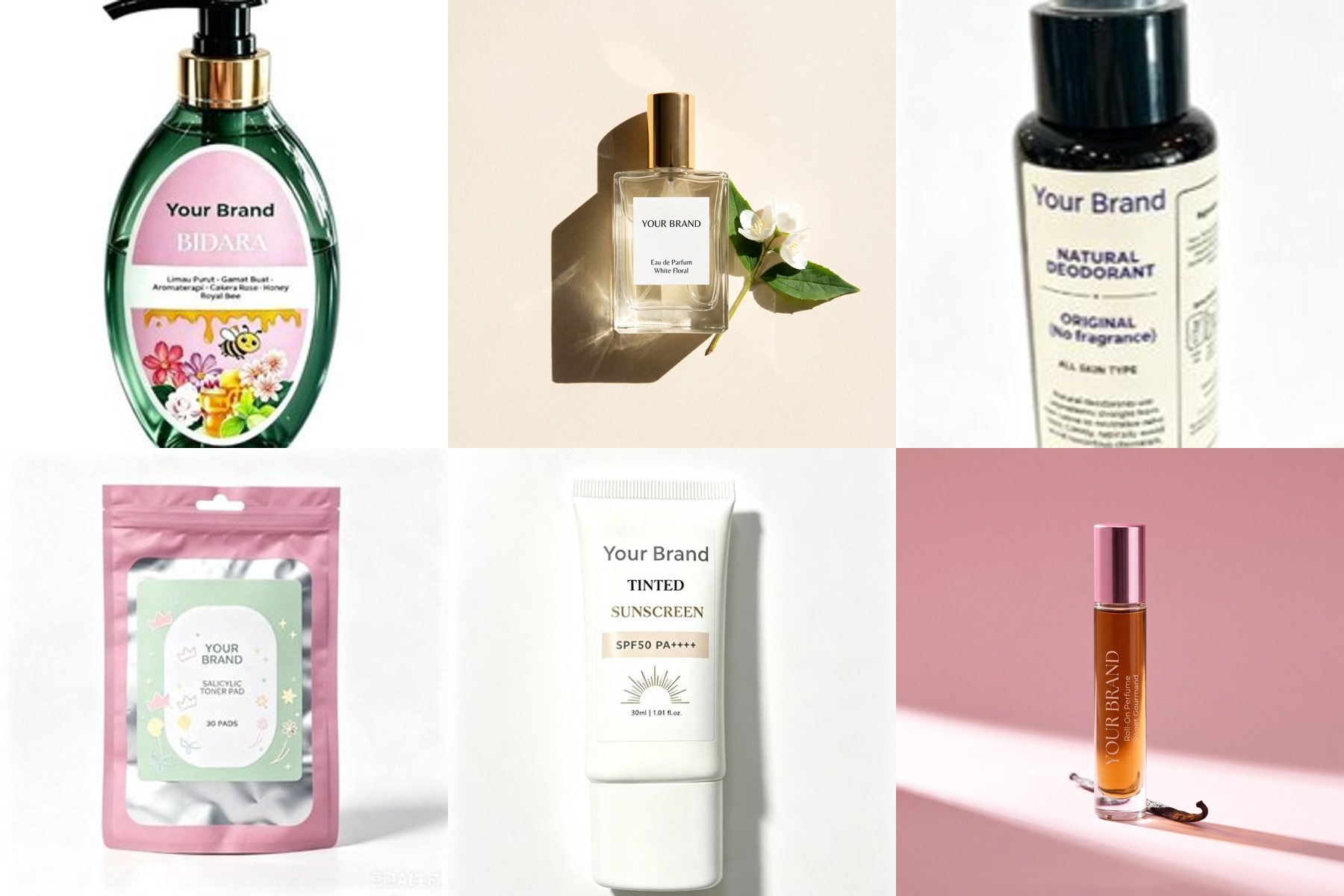
The product should match the licensed character’s image. A cute character may fit kids-friendly packaging, gentle skincare, hand cream, lip care, fragrance mist, sachet drinks or gift sets.
The product concept should respect both brand identity and regulatory limits.
Prepare Packaging, Testing and Compliance
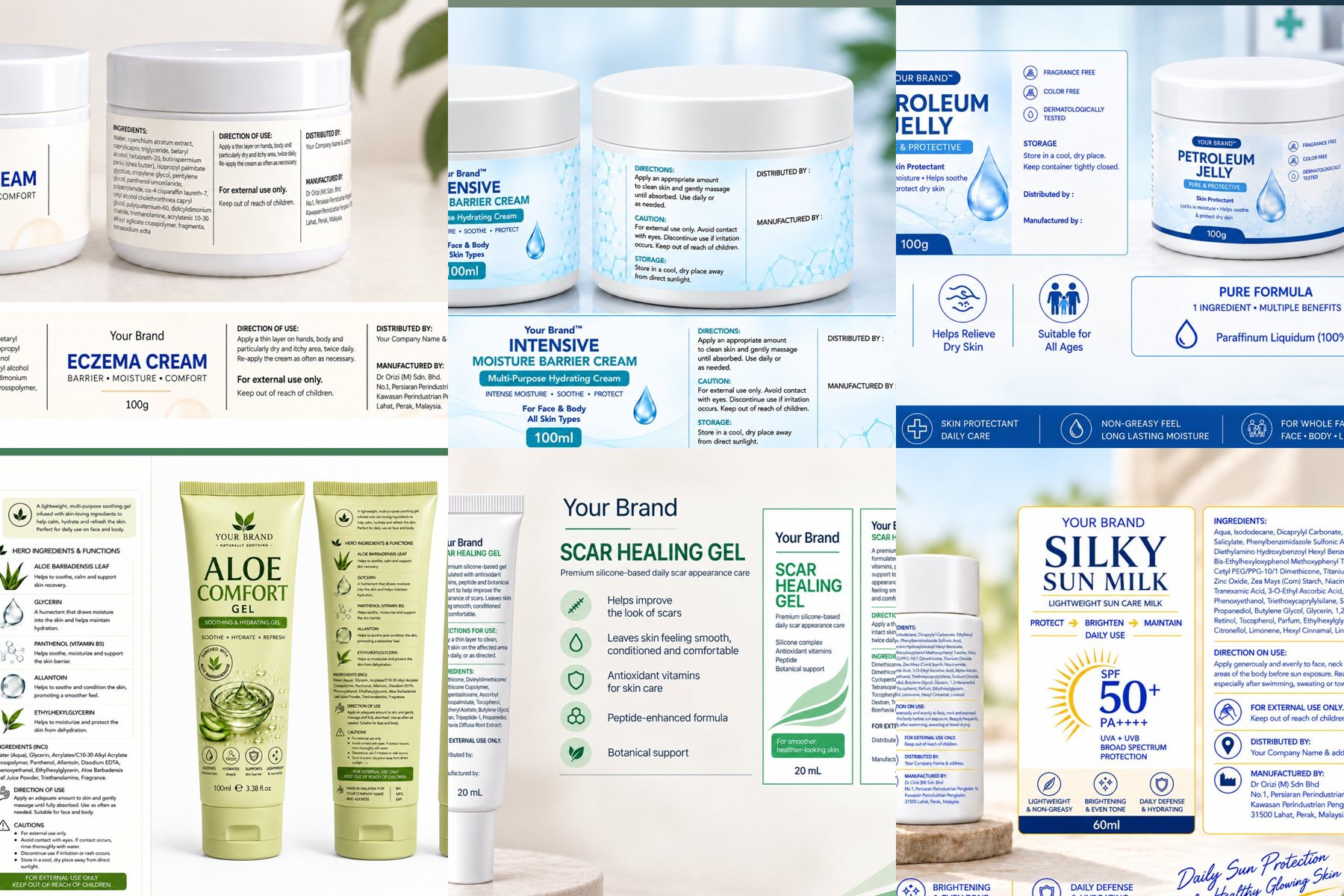
Licensed character packaging usually requires artwork approval. Product safety testing, label review, packaging proof, FSC packaging and SMETA / Sedex audit readiness may also be relevant depending on buyer or IP owner expectations.
Factory traceability and quality control are important because licensed products carry reputational risk.
How ORIZI Group Supports OEM Development
ORIZI Group can support product development, packaging coordination, manufacturing, documentation and compliance-aware project management for licensed character product concepts.
Conclusion
Licensed character products require proper licensing, product-market fit, artwork approval, testing and factory compliance. ORIZI Group supports brand owners who want to develop character-based products with OEM manufacturing readiness.
Fact-checked by Edan Foo, ORIZI Group Editorial Board.